The global trade landscape is undergoing a historic, structural realignment. The ongoing reduction of China’s export share to the United States is no longer a temporary reaction to tariff spikes; it has evolved into a permanent, long-term strategy for US buyers seeking to mitigate geopolitical and macroeconomic risks. In this massive wave of diversification, American importers are aggressively scouting for alternative manufacturing hubs across Southeast Asia that possess both the capacity and the agility to absorb high-volume orders. Vietnam has rapidly emerged as the premier destination in this realignment, driven by a mature industrial ecosystem and a strong track record of adaptability. However, to convert this interest into long-term partnerships, Vietnamese exporters must look beyond low costs and directly address complex US regulatory compliance and logistical bottlenecks.
1. Capturing the massive global supply
According to extensive trade data from the Peterson Institute for International Economics (PIIE), China’s share of total US imports has declined by over 12 percentage points from its historical peak. This multi-billion-dollar trade void is being actively redistributed to reliable manufacturing hubs capable of operating at a global scale. Among all competing nations, Vietnam has captured the lead in the ASEAN region, securing a notable +3.7-percentage-point increase in US import market share. This growth firmly establishes the country as a trusted, highly capable alternative for Western corporations executing a “China+1” diversification model.
Global retail giants such as Walmart, Target, and Costco have fundamentally shifted away from the risky practice of sourcing from a single country. When exploring alternatives to China, these high-volume US retail buyers prioritize nations offering established industrial infrastructure, a highly skilled labor force, and robust maritime connectivity to international shipping lanes. Vietnam stands out by satisfying all of these strict requirements simultaneously. This unique positioning has triggered a surge in demand across several core export sectors, most notably premium home furniture, advanced electronics, and value-added, processed agricultural products.
2. Navigating the Transshipment Trap through Absolute Traceability
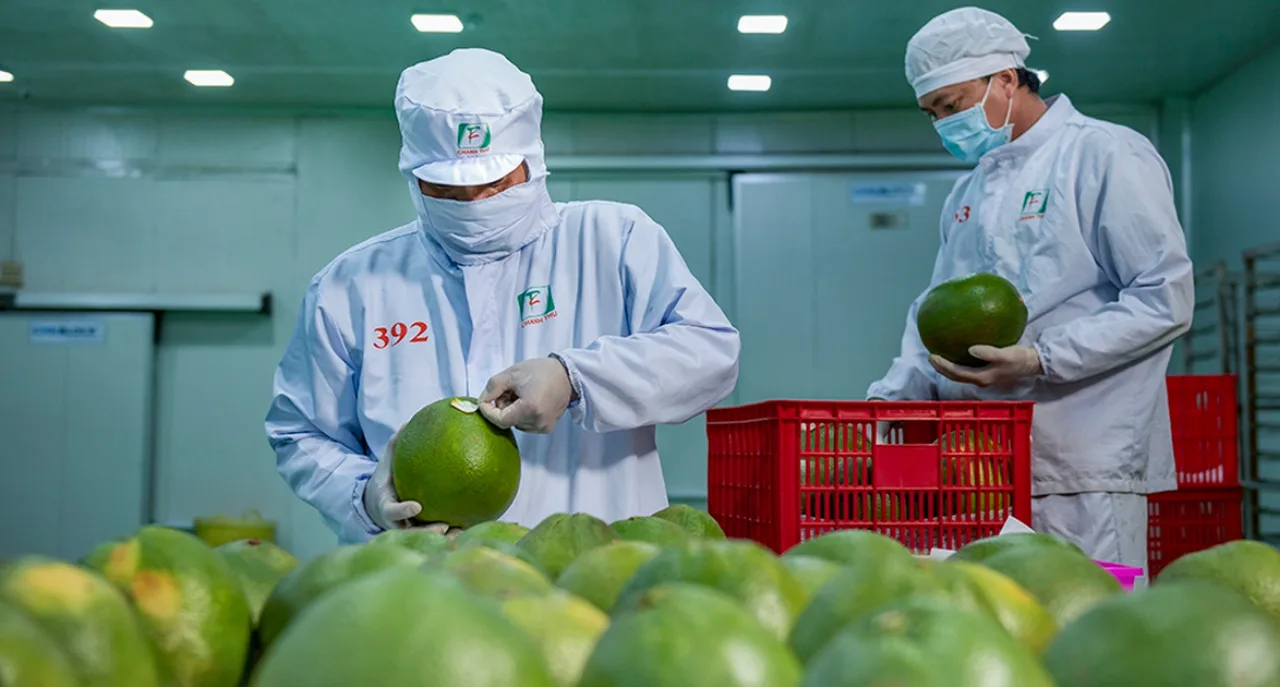
While the influx of inquiries presents an unprecedented opportunity for Vietnamese manufacturers, US buyers approach new partnerships with extreme caution. The primary hurdle in the current landscape revolves around strict US trade defense mechanisms. The US Customs and Border Protection (CBP) has drastically intensified scrutiny on Southeast Asian exports to combat “transshipment”—the illegal rerouting of Chinese-made goods through a secondary country to evade punitive US tariffs. Consequently, American importers face severe financial penalties if their suppliers are found non-compliant.
To successfully win over these buyers, Vietnamese exporters can no longer rely purely on a low-pricing strategy. Instead, the core value proposition must pivot to absolute supply chain transparency. Exporters must be prepared to provide verifiable documentation that establishes a clear audit trail from raw material sourcing to the final packed container. Proactively obtaining globally recognized certifications, such as the ISO 22000:2018 food safety management system and verified registrations with the U.S. Food and Drug Administration (FDA), serves as a strong signal of credibility and compliance. These certifications help mitigate regulatory risks and facilitate smoother customs clearance processes at major Vietnamese ports such as Cat Lai and Hai Phong.
3. Revolutionizing Agricultural Logistics with Advanced Freeze-Dried Technology
Ocean freight from Vietnam to the US West Coast typically spans 30 to 35 days, extending up to 45 days to the East Coast. Amid volatile shipping rates and rising energy costs, maintaining a traditional cold chain for fresh or frozen agricultural produce is a high-risk gamble for both buyers and suppliers, driven by the constant threat of cargo spoilage and expensive US cold-storage fees.
To eliminate this systemic risk, the industry is witnessing a major transition toward advanced food processing, specifically freeze-drying technology. This process removes up to 95% of the moisture from fresh produce through flash-freezing and vacuum sublimation, reducing total shipping weight by up to 60%. This significant weight reduction yields immediate economic benefits by slashing ocean freight costs and completely removing the need for refrigerated containers. High-demand items like freeze-dried durian, mango, and jackfruit remain shelf-stable at ambient temperatures for over a year, liberating US importers from cold-chain vulnerabilities.
Furthermore, freeze-drying technology eliminates artificial preservatives and chemicals while retaining up to 99% of the fresh fruit’s natural flavor, color, and nutritional profile. This technical advantage aligns perfectly with the roaring “Clean Label” consumer trend in the United States. Modern American consumers actively demand premium, all-natural, healthy snacks, allowing freeze-dried agro-products to command a premium price across high-end grocery chains such as Whole Foods and Trader Joe’s.
4. Embedding ESG and Sustainability Standards into Factory Operations
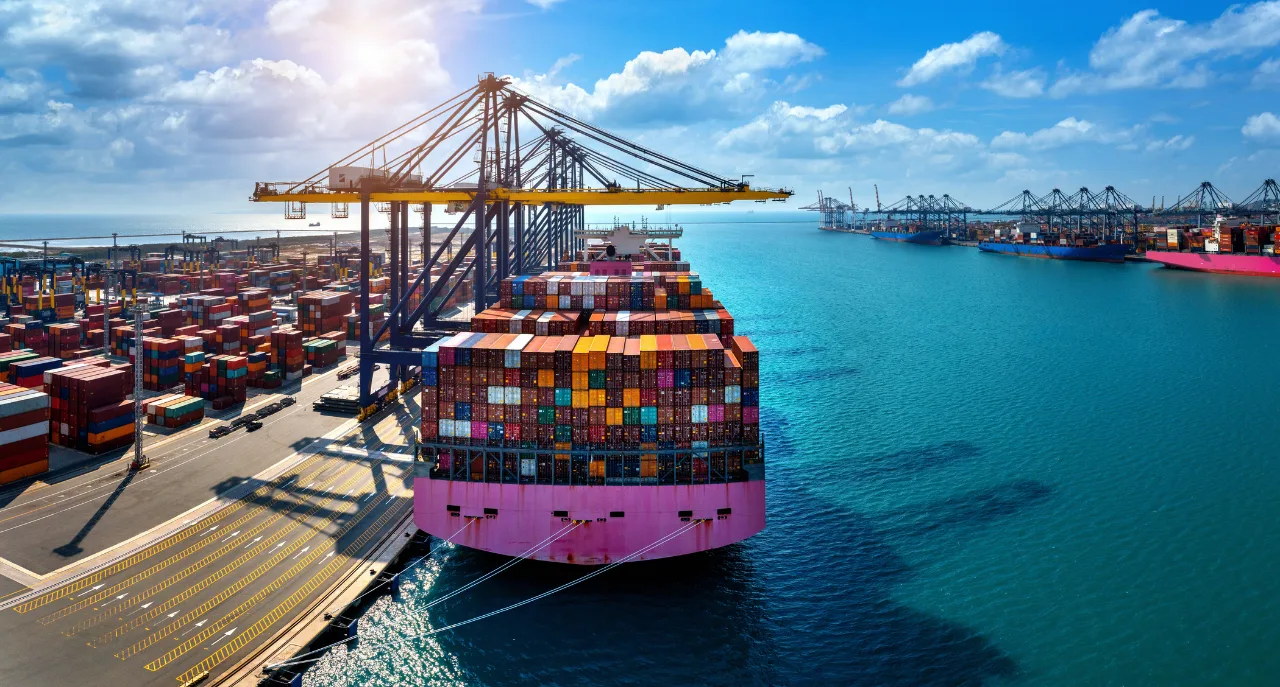
Beyond compliance and logistics, modern U.S. buyers are increasingly driven by corporate sustainability mandates and evolving Environmental, Social, and Governance (ESG) standards. Influenced by the rise of ethical consumerism in Western markets, global procurement teams are now required to prioritize suppliers that demonstrate transparent environmental stewardship, utilize clean energy, and uphold fair labor practices throughout their operations.
In the home furniture sector, this translates into strict requirements for 100% legally sourced timber certified by organizations such as the Forest Stewardship Council (FSC), ensuring zero contribution to deforestation. In the agricultural sector, it involves working closely with local farmers to establish GlobalGAP-certified cultivation zones, strictly monitoring pesticide residues, and progressively adopting low-carbon farming models. Vietnamese exporters supported by strong corporate ecosystems and long-term investments in sustainable infrastructure will naturally gain a significant competitive advantage and be better positioned to secure long-term, high-volume contracts with Fortune 500 companies.
FPT AdTrue Export – Your Trusted Partner for Verified Vietnam Sourcing
The window of opportunity created by the global supply chain shift away from China is wide open for Vietnamese enterprises. However, capturing this market requires more than factory capacity; it demands regulatory excellence, logistical innovation, and an unwavering commitment to transparency.
As a member of FPT, FPT AdTrue Export serves as a premier, high-credibility bridge connecting international buyers with top-tier Vietnamese products. By mastering advanced processing methods like freeze-drying, maintaining strict FDA and ISO-certified facilities, and guaranteeing 100% compliant rules of origin, we deliver fully optimized, highly secure sourcing solutions designed to elevate Vietnamese quality on the global stage.
FPT AdTrue Export · May 2026 | Written by Lucas Tran