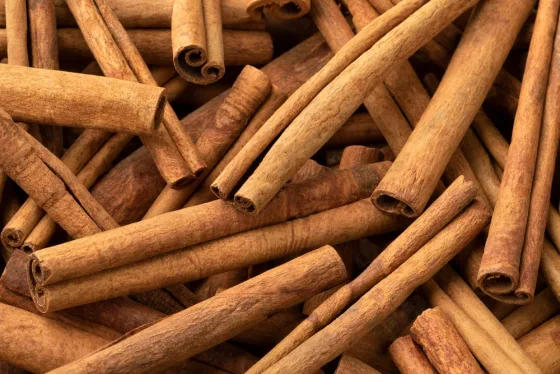
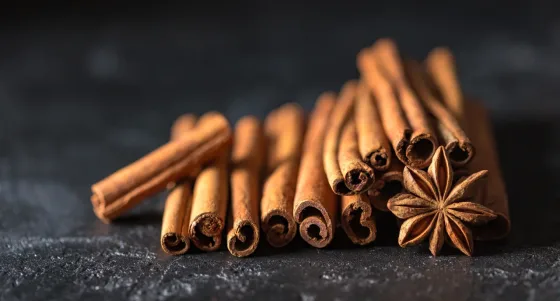
Vietnamese cinnamon, commonly known in international markets as Saigon Cinnamon or Vietnamese Cassia, is widely used in the spice and food processing industries. When selecting cinnamon, many people assume that the older the tree, the thicker the bark, the higher the essential oil content, and the better the overall quality. However, the relationship between tree age and cinnamon quality is not that straightforward, as product characteristics also depend on the cinnamon variety, growing conditions, harvested plant parts, and processing methods. So, is cinnamon from older trees genuinely better than cinnamon from younger trees, and what factors actually determine its market value?
1. What Is Saigon Cinnamon? Characteristics of Vietnamese Cassia
Saigon Cinnamon is a commercial name commonly used for a type of cinnamon belonging to the Cassia group and associated with Vietnamese cinnamon in international markets. Vietnamese cinnamon has a distinctive aroma and a sweet, spicy flavor, making it suitable for various applications, including spice production, food seasoning, beverage processing, and essential oil extraction. In international trade, the names Saigon Cinnamon and Vietnamese Cassia may appear in commercial documents, but buyers should still confirm the exact botanical species, country of origin, and product specifications with their suppliers. Clearly distinguishing these details helps businesses select the right raw materials for their intended applications and avoid confusion during commercial transactions.
2. Is Older Cinnamon Better Than Younger Cinnamon?
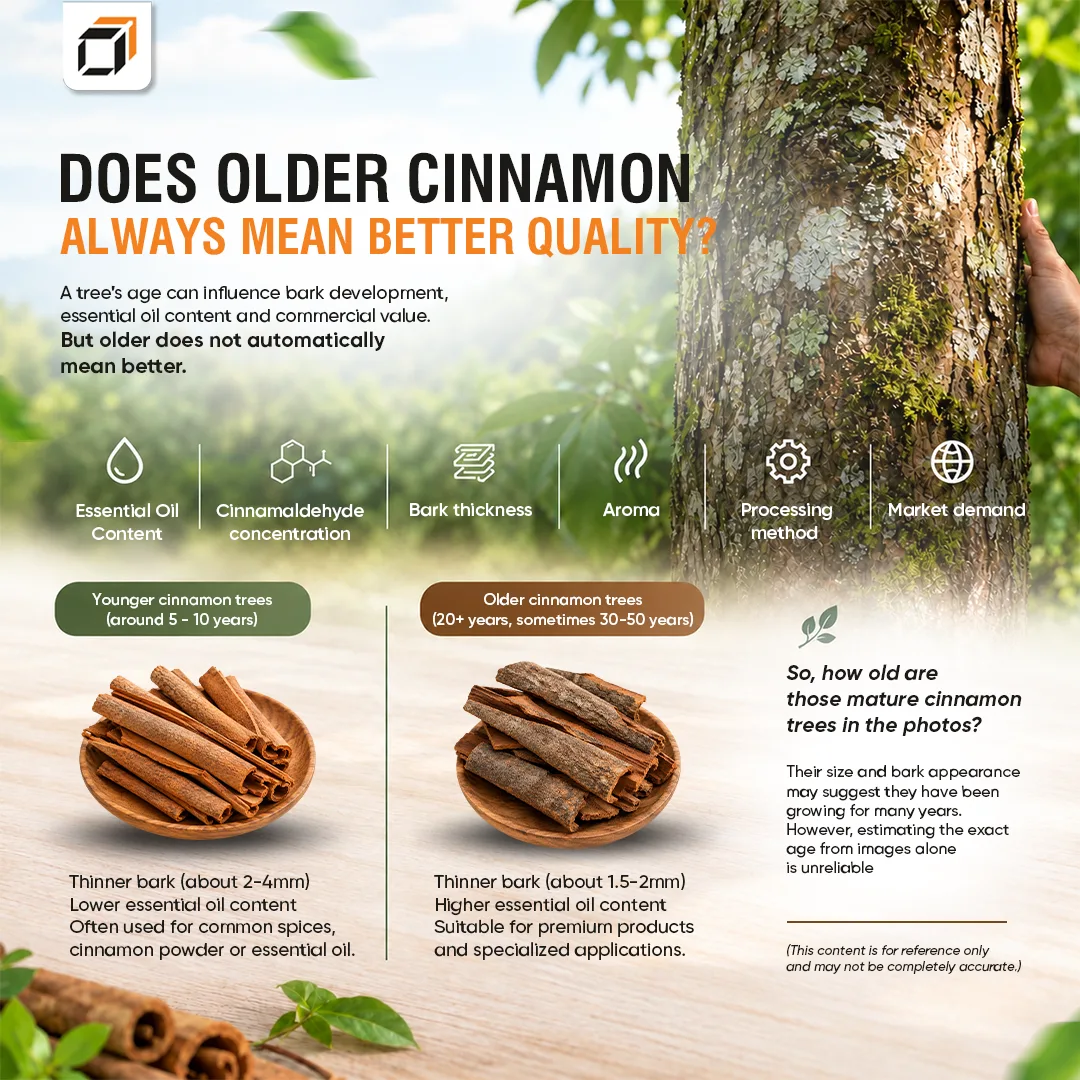
Older cinnamon trees do not necessarily produce better-quality bark. Although tree age can influence bark development and chemical composition, it is only one of several factors that affect cinnamon quality. As a tree matures, its bark may change in thickness, texture, and structure, but these changes do not automatically translate into higher essential oil content or a stronger aroma. Research on Cassia cinnamon has also found that essential oil content and chemical composition can vary with tree age and the part of the tree from which the bark is harvested. For this reason, cinnamon should be evaluated based on its actual quality characteristics rather than tree age alone.
3. How Does Tree Age Affect Cinnamon Bark Thickness and Quality?
As a cinnamon tree grows, its trunk develops, and the bark acquires distinct characteristics in terms of thickness, texture, and appearance. However, these characteristics depend not only on tree age but also on the cinnamon variety, soil conditions, climate, and cultivation practices. Thicker bark may be suitable for certain product specifications, but thickness does not necessarily indicate higher essential oil content or a superior aroma. For international buyers, inspecting actual product samples and verifying technical specifications are more meaningful than classifying cinnamon based solely on the age of the tree.
4. Do Essential Oil Content and Cinnamaldehyde Determine Cinnamon Quality?
Essential oil content is one of the key parameters to consider when evaluating cinnamon, particularly when the raw material is intended for spice production or essential oil extraction. In cinnamon essential oil, cinnamaldehyde is an important compound that contributes to the product’s characteristic aroma. Cinnamaldehyde is one of the main compounds responsible for cinnamon’s characteristic aroma. However, its concentration and the total essential oil content are separate measures of quality. Both can vary depending on factors such as tree age, the part of the tree harvested, and growing conditions, including climate and soil. Therefore, when evaluating cinnamon for commercial purposes, businesses should rely on actual laboratory analysis results and product specifications rather than assume that older cinnamon always offers better quality.
5. What Determines the Commercial Value of Cinnamon?
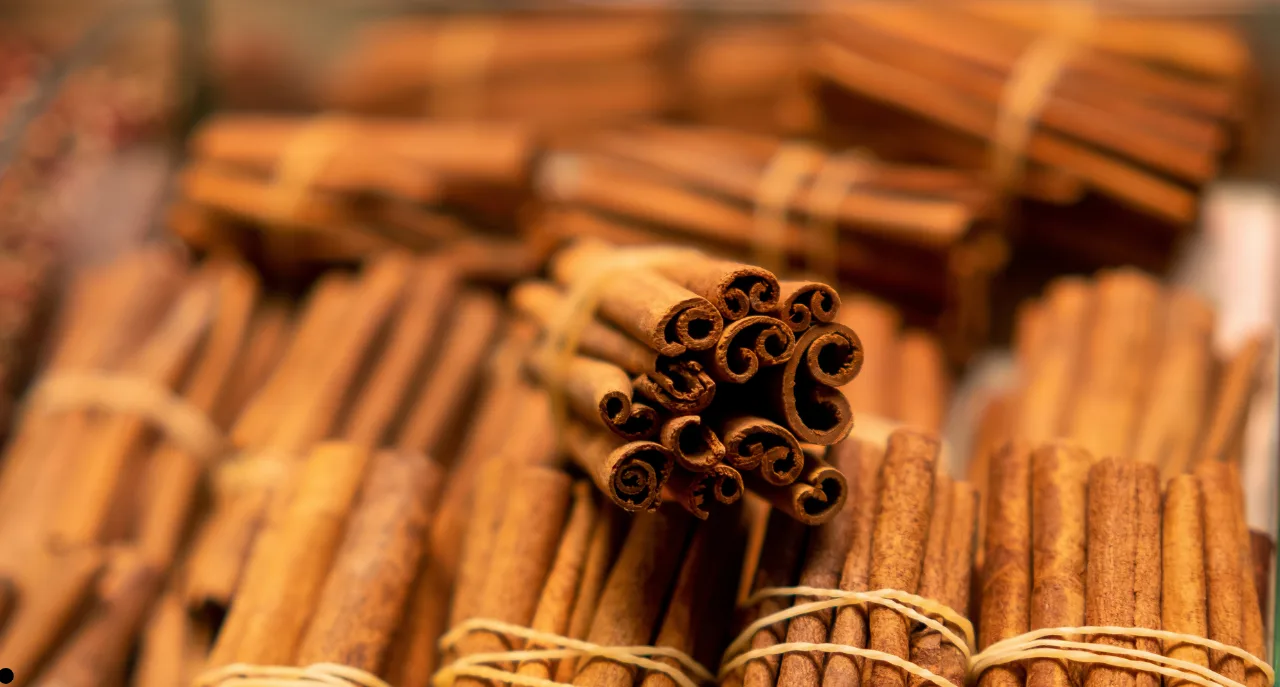
In export transactions, product value is determined by more than tree age or bark thickness. Buyers also consider aroma, essential oil content, moisture level, cleanliness, product appearance, processing specifications, and compliance with food safety requirements. For example, cinnamon sticks, cinnamon chips, and cinnamon powder may serve different applications, meaning that their selection criteria and technical requirements also differ. The price of cinnamon also depends on the quality of the product, supply availability, processing costs, and each buyer’s specific requirements
6. How to Evaluate Vietnamese Cinnamon Quality When Importing
Importers should first identify the intended application and establish the required quality specifications before choosing a supplier. Depending on the product and its end use, key parameters may include botanical species, country of origin, product form, moisture content, essential oil content, sensory characteristics, and food safety requirements in the destination market. Buyers can request representative samples, technical data sheets, and a Certificate of Analysis (COA), where appropriate, to verify that the test results correspond to the actual shipment. They should also confirm that the test results correspond to the actual batch being supplied. Establishing clear quality requirements before placing an order helps both parties avoid discrepancies and ensures that the goods can be assessed against agreed acceptance criteria.
Cinnamon trees with large trunks, rough bark, or visible moss and lichen may appear to be particularly old. However, these features alone cannot reliably establish a tree’s age. These characteristics also vary depending on growing conditions, including soil type, climate, planting density, and cultivation practices. As a result, estimating that a tree is 30, 40, or even 50 years old from photographs alone can be misleading. Verifying its age requires additional evidence, such as planting records or an appropriate assessment method. Regardless of the tree’s age, the quality of the harvested bark should be evaluated through direct inspection and, where necessary, laboratory testing
Conclusion
Cinnamon from older trees may have different bark characteristics and structural properties, but tree age alone does not determine its quality or commercial value. For Saigon Cinnamon and Vietnamese Cassia, a reliable assessment should consider the physical characteristics of the bark, essential oil content, chemical composition, product specifications, and the buyer’s intended application. This approach enables importers to select cinnamon that meets their needs and establish clear, measurable quality requirements with their suppliers. Rather than focusing solely on how old a cinnamon tree is, buyers should ask whether the harvested bark meets the quality standards required for the intended product and target market.
FPT AdTrue Export Oct 2026 | Written by Lucas Tran