Vietnam has rapidly emerged as one of the most dynamic furniture manufacturing hubs globally. What began as a cost-driven sourcing destination has evolved into a more structured and capable supply base, supported by expanding industrial capacity, diverse material sourcing, and increasing alignment with international standards.
For global buyers, sourcing from Vietnam today is no longer defined by cost efficiency alone. It is increasingly about flexibility in production, the ability to work across multiple product categories, and the capacity to scale in line with long-term demand.

A Multi-Segment Supply Ecosystem
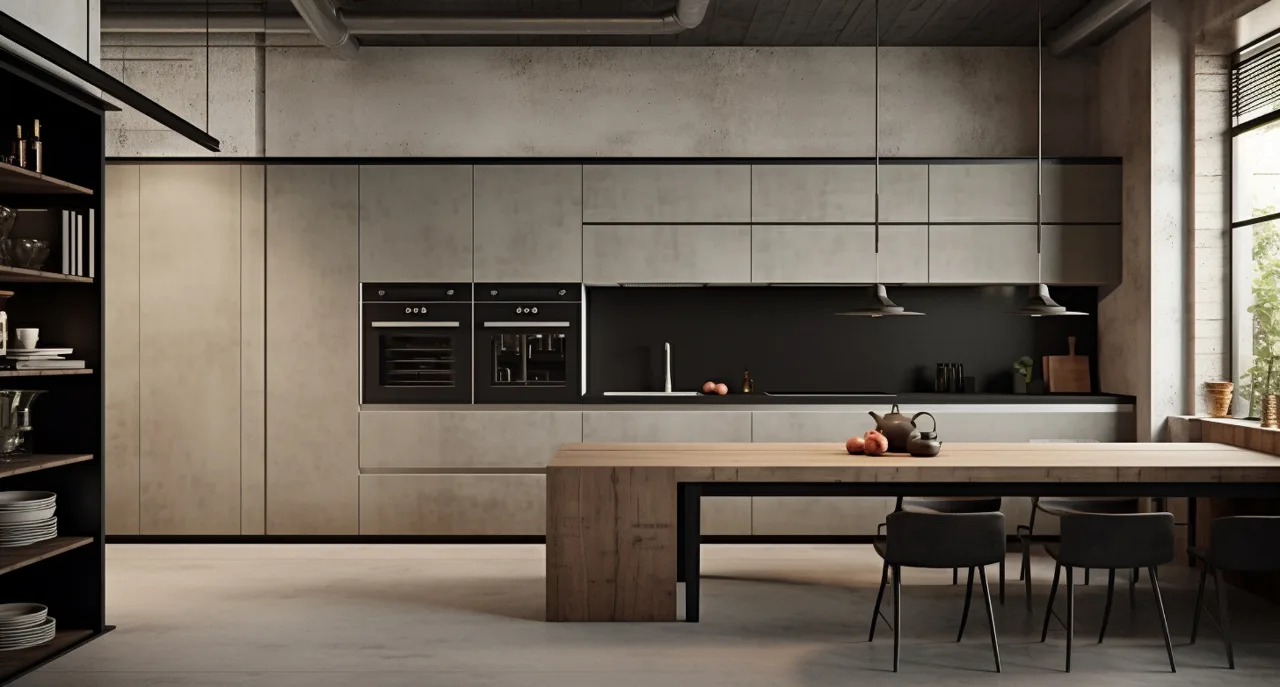
One of the defining characteristics of Vietnam’s furniture industry is its ability to operate across multiple segments rather than focusing on a single product category. This creates a supply ecosystem that can serve both retail distribution and large-scale commercial projects. At the core of this ecosystem is indoor furniture, which remains the most established segment. Vietnamese manufacturers offer a wide range of products for living spaces, bedrooms, kitchens, and bathrooms, developed using materials such as solid wood, engineered wood, metal, and upholstery. This segment is particularly suitable for brands seeking consistent collections, private label production, or product lines that require design alignment across multiple SKUs.
Building on this foundation, outdoor and garden furniture has grown into a complementary segment, driven by demand from hospitality and residential projects. Manufacturers have developed capabilities in weather-resistant materials such as synthetic rattan, treated wood, aluminum, and powder-coated steel, allowing them to support both durability and design flexibility. This makes the segment well-suited for markets with seasonal demand cycles or ongoing infrastructure development.
Beyond core furniture categories, Vietnam also offers a diverse range of decor and handicraft products. These items draw on materials such as bamboo, rattan, ceramics, textiles, and recycled components, combining traditional craftsmanship with contemporary design. For retailers and lifestyle brands, this segment provides an opportunity to diversify product portfolios while adding cultural and material differentiation.
At a more advanced level, the industry is increasingly capable of supporting project-based and contract manufacturing. This includes supplying furniture for hospitality developments, office fit-outs, real estate projects, and retail chains. Unlike standard product sourcing, this segment requires not only manufacturing capacity but also strong coordination in design, quality control, and delivery timelines.
From Manufacturing Capability to Scalable Supply
While Vietnam’s strength lies in its manufacturing diversity, the ability to scale sourcing across these segments depends on more than production alone. In practice, challenges often arise in areas such as quality consistency, supplier coordination, compliance alignment, and logistics execution. These factors become more critical as order volumes increase or when businesses operate across multiple product categories simultaneously.
As a result, the transition from sourcing individual products to building a scalable supply system requires a more structured approach—one that connects suppliers, standardizes processes, and ensures consistency across shipments.
The Role of Export Facilitation
As sourcing activities expand across multiple product categories and suppliers, coordination becomes a critical factor in ensuring consistent outcomes. This is where a structured export support model plays an increasingly important role.
Operating between local manufacturing capabilities and international market requirements, FPT AdTrue Export supports businesses in navigating this complexity. Depending on the sourcing strategy, the company may act as a coordination and facilitation partner, assisting in supplier selection, evaluation, and process alignment, or take on the role of a direct exporting entity, streamlining transactions under a unified commercial framework. This flexible approach allows businesses to simplify operations, improve consistency across shipments, and scale sourcing activities more efficiently across different product segments.
Conclusion
Vietnam’s furniture industry is defined by its ability to operate as a multi-segment supply ecosystem, covering everything from indoor collections and outdoor solutions to handcrafted décor and large-scale project manufacturing. For global buyers, the opportunity lies not only in accessing individual products but in building a structured and scalable sourcing strategy. With the right approach and the right level of coordination, Vietnam can serve not just as a manufacturing destination, but as a long-term supply partner in global furniture value chains.