Vietnam Cassia is one of the most widely recognized spices on the international market, known for its strong aroma, distinctive sweet-spicy flavor, and naturally high essential oil content. From Cassia sticks, Cassia tubes, split Cassia, to broken Cassia and Cassia powder, each product form has its own characteristics suited to different uses across the food, beverage, and other industries.
However, for international buyers, choosing Cassia is not simply a matter of selecting a product of Vietnamese origin. Depending on the intended use, buyers need to consider a range of factors such as product form, size, Volatile Oil (VO) content, moisture, color, and related quality standards.
Therefore, understanding the characteristics and product forms of Vietnam Cassia will help importers, food manufacturers, and spice trading businesses select the product that best fits their needs.
What Makes Vietnam Cassia Special?
One of the defining characteristics of Vietnamese Cassia is its intense aroma and distinctive sweet-spicy flavor profile. These sensory qualities are influenced by a combination of factors, including the cultivar, climate, growing region, and post-harvest processing methods.
Compared to Cassia varieties with a milder flavor, Vietnam Cassia is often chosen for applications that call for a bold Cassia aroma. When used in food or beverages, Cassia can deliver a distinctive fragrance and a pronounced warm, spicy taste, giving the final product a more defined flavor profile.
Beyond this characteristic, volatile essential oil content is also an important factor in evaluating Cassia quality. This content is directly linked to the aroma and flavor of the product. As a result, even within Vietnam Cassia, products can be classified by different VO levels to meet specific usage requirements.
Common Forms of Vietnam Cassia on the Market
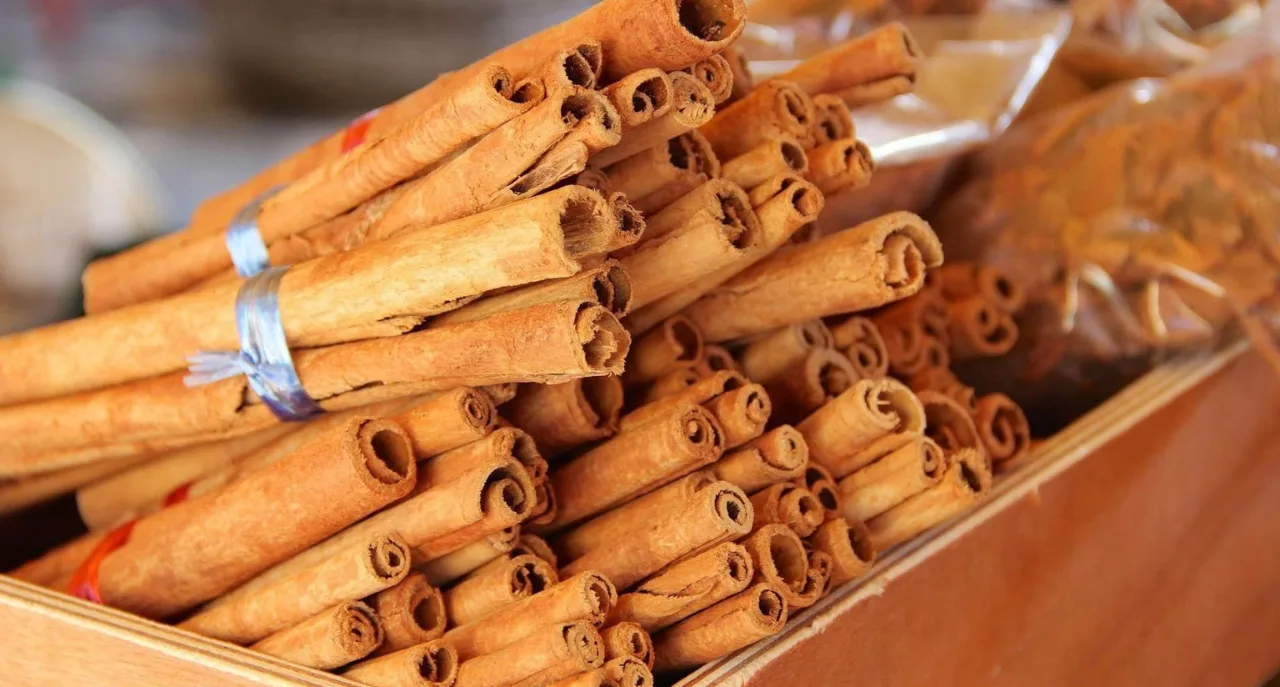
One of the advantages of Vietnam Cassia is the diversity of product forms available. Depending on the intended use, Cassia can be supplied as whole sticks, tubes, split pieces, broken pieces, or ground into powder.
This diversity allows suppliers to serve many different customer segments. A retail brand may need Cassia sticks with an attractive appearance and uniform size, while a food manufacturing plant may prioritize broken Cassia or Cassia powder for ease of production.
Cassia Sticks
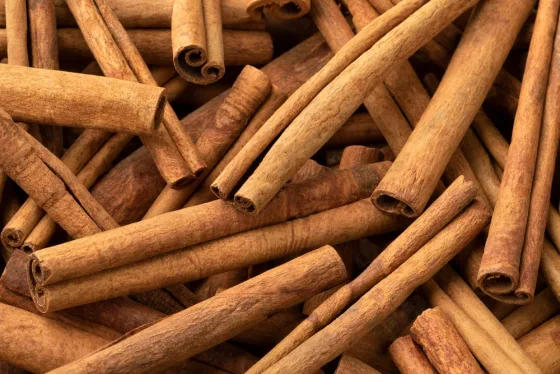
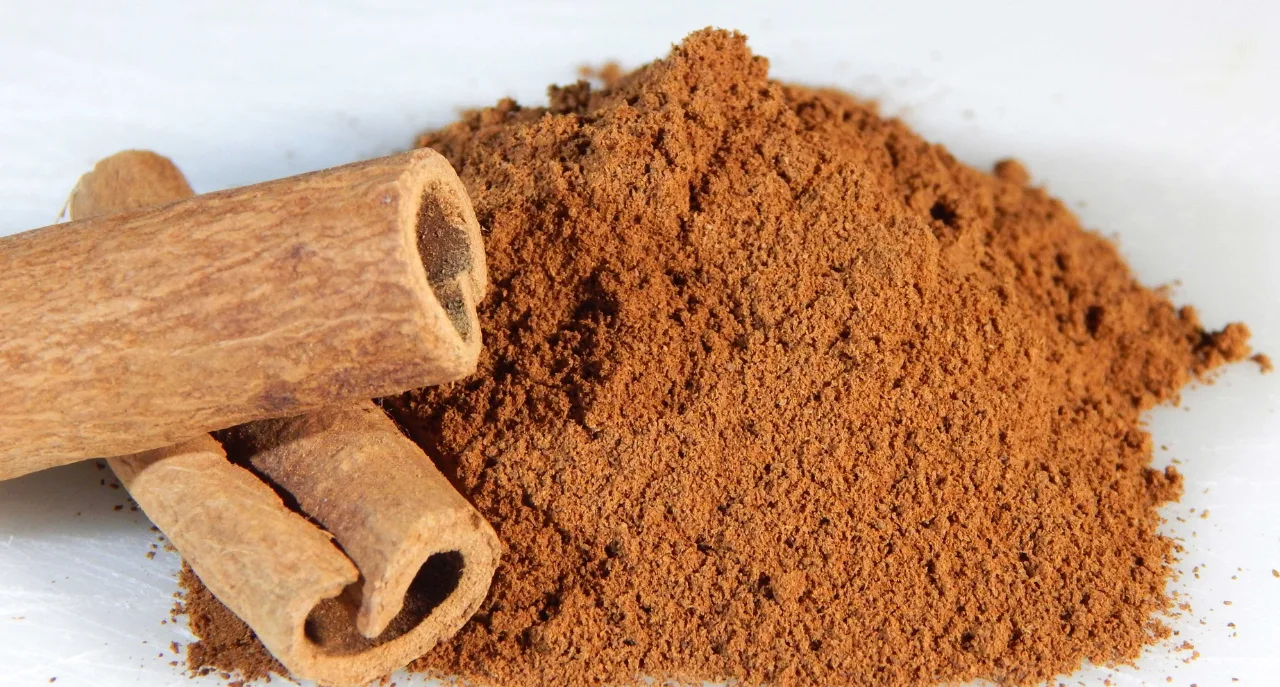
Cassia sticks are one of the most popular forms of Cassia. The product is made from processed and dried Cassia bark, which is then naturally rolled or shaped into stick form.
Thanks to their whole-stick appearance, this product is suited to a wide range of uses — from retail packaging, restaurant and food service use, to beverage and food processing. Cassia sticks can also be further ground or processed to create other product forms.
For international buyers, factors such as length, diameter, color, cleanliness, and the intactness of the sticks are often included as technical requirements when placing orders.
Long Cassia Sticks
Long Cassia sticks are products selected or processed to achieve a greater length, typically with a more attractive and uniform appearance compared to standard Cassia sticks.
This product form is often suited to premium retail products, the food service industry, beverage products, or applications where the external appearance of the Cassia stick plays an important role.
Depending on buyer requirements, long Cassia sticks can be supplied to specific criteria regarding length, diameter, color, and uniformity. This is one of the product forms that typically requires clear communication between buyer and supplier before production or packaging.
Cassia Tubes
Cassia tubes have a relatively complete rolled structure, forming a shape close to a Cassia tube. Thanks to their attractive appearance, Cassia tubes are often used in premium spice products, retail packaging, or other products where presentation plays an important role.
Beyond their visual value, Cassia tubes can also be used in food and beverage applications that call for whole Cassia rather than ground Cassia. The choice of Cassia tube specification depends on the intended use, packaging requirements, and the buyer’s product segment.
Split Cassia and Broken Cassia
Split Cassia and broken Cassia are product forms suited to applications where the appearance of a whole Cassia stick is not the top priority.
These forms can be used as raw material for grinding into powder, spice blending, essential oil extraction, or other industrial processing applications. For manufacturers, this can be a suitable choice when prioritizing raw material efficiency over external appearance.
The choice between split Cassia and broken Cassia typically depends on the requirements of each production line as well as the intended downstream processing.
Cassia Powder
Cassia powder is one of the most versatile product forms. Once ground, Cassia can easily be blended into a wide range of product formulas.
Cassia powder is widely used in the bakery, confectionery, beverage, spice, sauce, ready-to-eat food, and other processed food industries. Compared to whole Cassia sticks, Cassia powder makes it easier for manufacturers to control dosage and ensure even distribution within a formula.
However, when selecting Cassia powder, buyers need to consider more than just origin. Particle size, moisture content, color, aroma, essential oil content, and microbiological indicators can all affect the product’s quality and suitability for application.
How Does VO (Essential Oil) Content Affect Cassia Quality?
Volatile Oil (VO) content is one of the key parameters used to evaluate Cassia. Volatile essential oils contribute to the distinctive aroma and flavor intensity of Cassia. Depending on the product formula and intended use, buyers may require different VO levels. A spice manufacturer may need Cassia with a strong aroma, while a business using Cassia as raw material for extraction may have its own specific technical requirements regarding essential oil content.
Therefore, Cassia quality should not be judged on appearance alone. A product with an attractive color is not necessarily suitable for every application. Buyers need to consider product form, VO content, intended use, and the technical requirements of the final product together. Particularly for large orders, selecting the correct VO specification from the outset can affect flavor intensity, raw material efficiency, and the consistency of the final product.
Vietnam Cassia Meets a Wide Range of Uses
Cassia is widely used in the food industry for its ability to deliver a distinctive aroma and sweet-spicy flavor.
In the food industry, Cassia is used in products such as spice blends, baked goods, confectionery, sauces, snacks, and processed foods. For products that require even blending, Cassia powder is often the preferred choice. In the beverage industry, Cassia sticks and tubes can be used in tea, herbal beverages, flavored drinks, and many other products. In these applications, not only the aroma but also the appearance of the Cassia can contribute to the overall consumer experience.
Beyond the food and beverage industries, Cassia is also used as a raw material for essential oil extraction and certain industrial applications. For this customer segment, factors such as VO content, raw material suitability, and batch-to-batch consistency are typically of particular concern.
How to Choose the Right Type of Cassia
There is no single type of Cassia that suits every need. Product selection should begin with the intended end use. If a business needs a product with an attractive appearance for retail or premium products, Cassia tubes, long Cassia sticks, or selected Cassia sticks may be the appropriate choice.
However, if a business needs raw material for production, grinding, or blending, split Cassia and broken Cassia can offer greater flexibility. Meanwhile, Cassia powder is suited to formulas that require an ingredient that can be fed directly into the blending process.
Beyond product form, buyers also need to clearly define their requirements regarding VO content, moisture, size, color, packaging, food safety standards, and export documentation. A suitable supplier does more than provide a price list. They need to understand the product’s application and be able to advise buyers on the right Cassia form, the right specifications, and the right grade.
At FPT AdTrue Export, we supply Vietnam Cassia products in a variety of forms, including Cassia sticks, long Cassia sticks, Cassia tubes, KABC, TBC, split Cassia, broken Cassia, and Cassia powder. Products can be supplied to different VO specifications to meet the diverse requirements of importers, wholesalers, food manufacturers, distributors, and industrial customers.
Depending on the needs of each project, buyers can discuss product form, technical specifications, packaging requirements, samples, and specific requirements for individual markets. Guided by a commitment to connecting high-quality Vietnamese agricultural products with international markets, FPT AdTrue Export aims to be a trusted sourcing partner, helping international buyers access the right products and the right supply sources to fit their business needs.
Vietnam Cassia is more than just a spice with a strong aroma and distinctive sweet-spicy flavor. Its diversity in product form, size, and technical specifications allows Cassia to meet a wide range of needs across the food, beverage, and industrial sectors.
From Cassia sticks and tubes to split Cassia, broken Cassia, and Cassia powder, each product form has its own advantages. Choosing the right product will depend on the end application, technical requirements, and the target market of each business.