Long-distance maritime shipping represents a primary operational variable for any Vietnamese food exporter aiming to secure long-term contracts in the United States. Transit times from major Vietnamese ports to the US West Coast typically average 30 to 35 days, while routes to the East Coast can exceed 45 days depending on port schedules and customs clearance timelines. For distributors handling fresh or frozen agricultural products, maintaining a continuous cold chain across these distances introduces notable technical complexities and cost pressures. Potential transit delays or temperature fluctuations during the long voyage can affect product stability and incur unexpected cold-storage fees upon arrival. Consequently, US retail buyers and importers are increasingly seeking efficient alternatives that optimize supply chain predictability and reduce heavy reliance on temperature-controlled infrastructure.
Overcoming Cold-Chain Vulnerabilities with Dehydration Technology
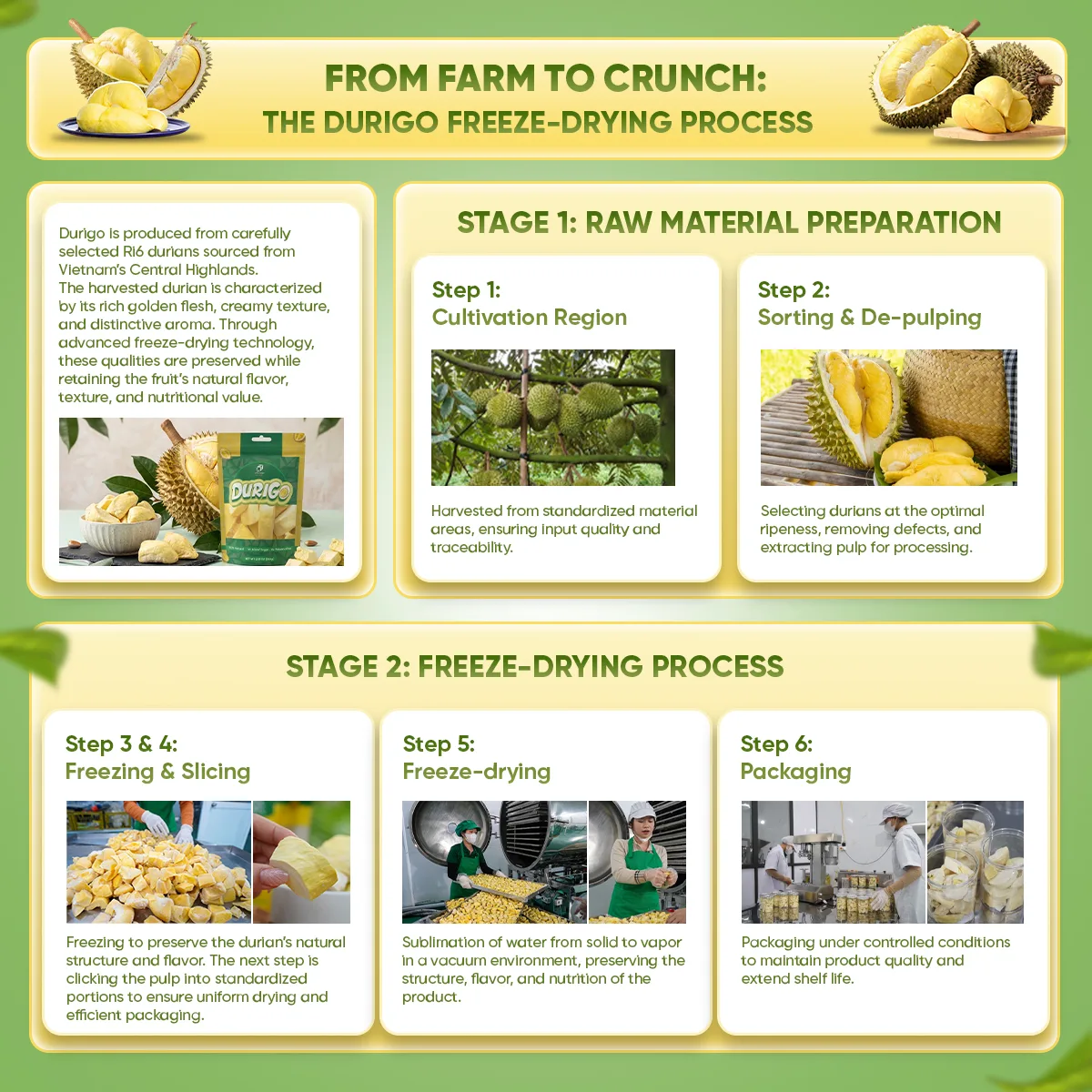
In response to these transit realities, international distribution networks are adopting a wholesale format for freeze-dried fruit models to establish more resilient supply chains. By combining flash-freezing with vacuum sublimation, this advanced processing method extracts virtually all moisture content from fresh produce without damaging its nutritional composition. From a logistics perspective, this technological shift delivers an immediate US food logistics by reducing total product weight by up to 70%. This substantial weight reduction allows global procurement teams to maximize container volume utilization while lowering inland and ocean freight costs per unit. More importantly, removing moisture renders the final product completely shelf-stable at ambient temperatures for over a year, liberating US importers from the operational volatility and financial risks associated with refrigerated transit.
Minimizing Long-Distance Logistics Risks via Stable Product Formats
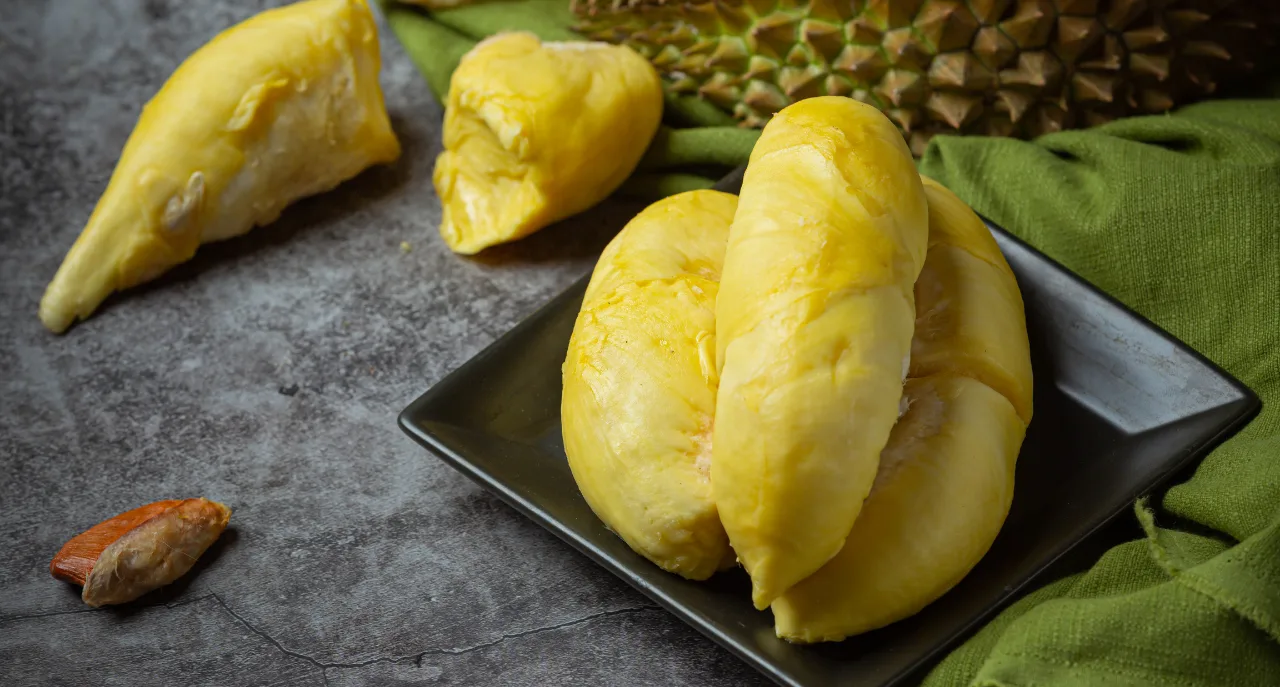
A premier example of this logistical evolution is the expanding wholesale format for freeze-dried fruit across Asian-American retail channels and mainstream specialty snack segments. Historically, exporting fresh or frozen durian required strict nitrogen freezing, specialized refrigerated containers, and continuous temperature monitoring, which inflated retail prices and limited shelf flexibility. By transitioning to a professional wholesale format for freeze-dried fruit, experienced Vietnamese suppliers can deliver the same exotic aroma, rich texture, and nutritional value in a highly efficient package. The resulting finished product is exceptionally lightweight, tightly compact, and completely immune to the temperature fluctuations that typically threaten frozen cargo during cross-border transit, allowing retail buyers to scale up inventory without expanding their cold-storage footprints.
Aligning Sourcing Strategies with the Growing Clean Label Movement
The commercial momentum behind freeze-dried agricultural exports is further accelerated by the powerful “Clean Label” consumer movement sweeping the United States market. Modern American consumers are actively demanding premium, all-natural, healthy snacks made with transparent, easily recognizable ingredients and minimal artificial processing. Because the freeze-drying process naturally preserves the fruit’s inherent flavor profile, vibrant color, and essential nutrients without requiring chemical additives or artificial preservatives, it aligns with these evolving market preferences naturally. Premium categories, including freeze-dried durian, mango, pineapple, and jackfruit, allow retailers to capture high-margin grocery segments while ensuring an incredibly reliable, year-round product supply that avoids seasonal shortages.
Building Resilient Supply Chains with Certified Vietnamese Partners
As global procurement strategies continue to shift away from high-tariff zones, Western buyers are prioritizing diversified supplier networks that offer a rare combination of manufacturing capacity and compliance reliability. In this highly competitive environment, partnering with an established Vietnam food exporter provides strategic advantages that extend far beyond raw production output. Long-term commercial success in the US market depends heavily on strict regulatory compliance, including verifiable FDA facility registrations, transparent rules-of-origin documentation, and robust global traceability systems. Exporters backed by modern, high-capacity freeze-drying infrastructure are uniquely positioned to insulate their American partners from macroeconomic supply shocks, proving that freeze-dried technology is no longer a niche product category, but a scalable blueprint for building cost-efficient, resilient US food logistics networks.
FPT AdTrue Export · May 2026 | Written by Lucas Tran