When fuel prices climb, the pressure across the coffee export supply chain becomes visible quickly, and it rarely stops at freight costs alone. For exporters and importers, the impact runs deeper: through domestic logistics, port operations, and ultimately into the margins that make trade viable.
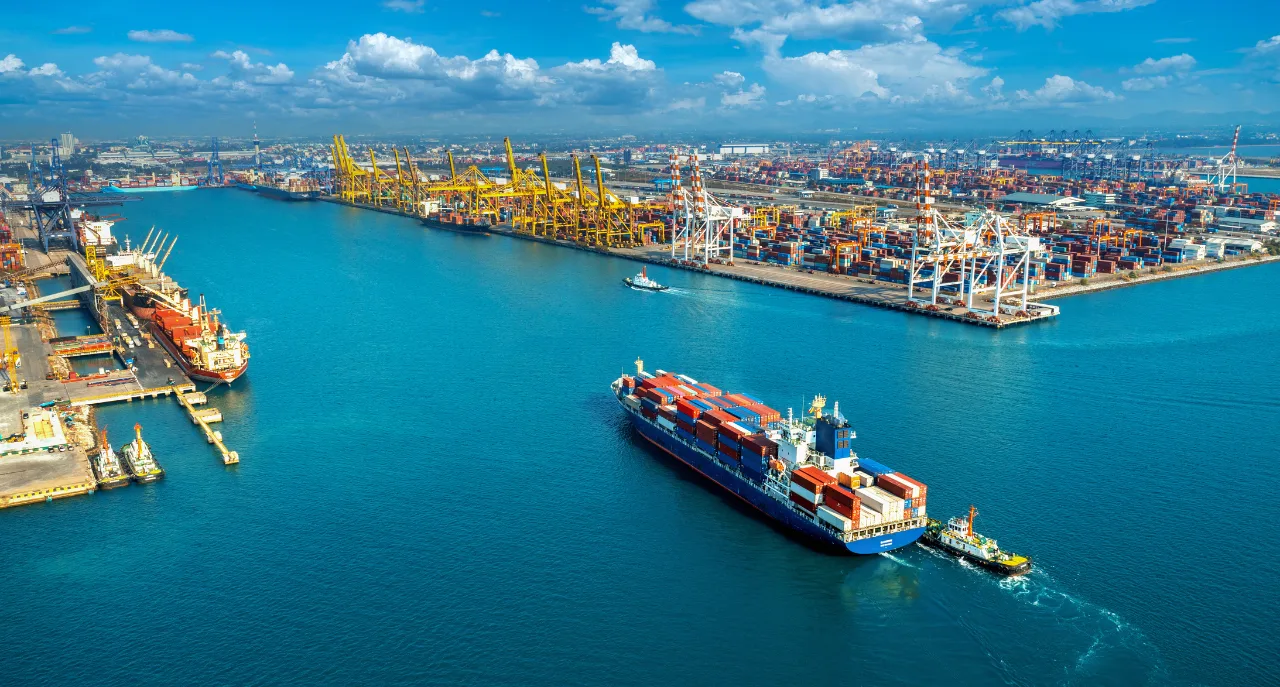
A Global Commodity Built on Long-Distance Trade
Coffee is produced far from where it is consumed. Major origins like Vietnam, Brazil, and Colombia supply markets in the United States and Europe, making long-distance transportation a permanent feature of the trade, not an operational variable. As a result, changes in fuel prices tend to have an outsized impact on export costs in ways that other commodities are less exposed to.
From Farm to Port, the Costs Keep Adding Up
Ocean freight is where the effect shows up first. Fuel accounts for a large share of vessel operating expenses, and carriers pass increases through quickly via surcharges and rate adjustments. During periods of sharp oil price increases, carriers have responded with significant rate adjustments and surcharges across major trade routes.
Domestic logistics add to the pressure. Moving green coffee from growing regions to processing facilities and ports involves significant diesel exposure, especially in origins where road transport spans hundreds of kilometers. Port handling, storage, and container operations compound this further. Individually, none of these cost lines is dramatic. Cumulatively, they matter: logistics typically represent 10–20% of export pricing under stable conditions, and that share rises when energy costs are elevated.

In a Buyer’s Market, Rising Costs Are Hard to Pass On
Coffee markets are competitive, and buyers generally have options. When costs rise on the supply side, exporters often cannot fully reflect that in their selling prices; the market simply has too many origins available. This is where margin pressure becomes most acute, and where the structural nature of the problem becomes clear.
Fuel prices are often treated as a cyclical issue. In practice, the combination of tightening shipping regulations, energy transition costs, and sustained demand for long-haul freight means that logistics costs are unlikely to return to where they were a decade ago.
What This Means for Importers Planning Ahead
Price comparison alone is no longer sufficient when evaluating suppliers. A supplier’s ability to manage logistics costs, maintain supply consistency under cost pressure, and sustain competitive pricing over time is increasingly relevant to sourcing decisions. Energy costs are likely to remain a meaningful consideration in long-term coffee procurement for the foreseeable future.
FPT AdTrue Export · May 2026 | Written by Lucas Tran