In the context of the United States’ reciprocal tariff policy (effective from April 2025), importers of raw cashew kernels have become increasingly cautious. In response, Vietnam’s cashew industry is undergoing a noticeable shift. As the margin for raw commodity exports narrows due to rising tariff-related risks, processed cashew products are emerging as a more stable and strategically viable pathway for trade.
Why Processed Cashews Are Gaining Strategic Importance
1. Reclassification Within More Favorable Tariff Categories
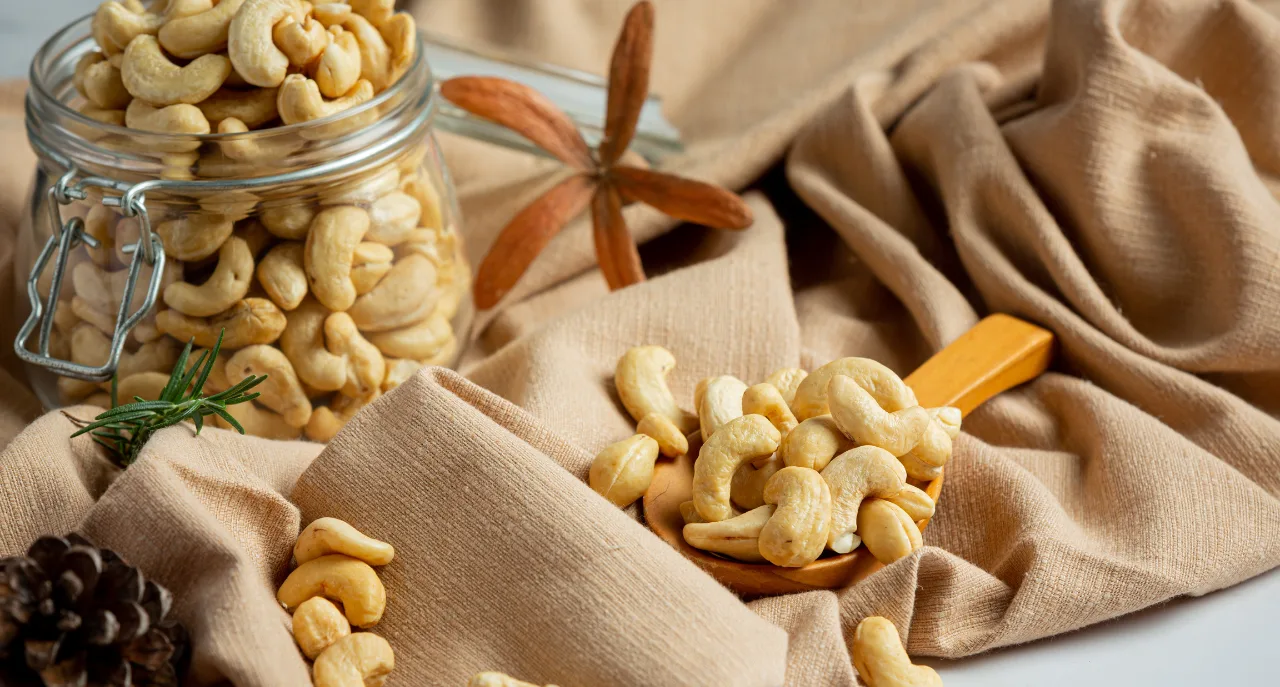
This shift is not merely a short-term reaction but reflects a broader strategic repositioning. Unlike raw cashew kernels, which are typically categorized as basic commodities and are more exposed to protectionist measures, processed cashew products—such as snacks, flavored nuts, and chocolate-coated cashews—are generally classified as value-added food products. This transition from “commodity” to “consumer product” enables exporters and importers to access more stable tariff frameworks, thereby reducing exposure to sudden policy fluctuations.
2. Cost Optimization for U.S. Importers
From a cost perspective, this transition also offers clear advantages to U.S. buyers. Traditionally, many importers sourced raw cashew kernels for domestic roasting and packaging. However, with rising labor and operational costs in the United States—combined with new tariff pressures on raw materials—importing ready-to-eat products from Vietnam has become increasingly attractive. This approach eliminates processing costs, shortens time-to-market, and helps maintain healthier profit margins. These benefits are further reinforced by Vietnam’s advanced processing capabilities and cost-efficient production systems.
FPT AdTrue Export: A Strategic Partner in the Transition
In line with this industry shift, FPT AdTrue Export positions itself not merely as a product supplier but as a strategic partner in market adaptation. The company focuses on developing cashew products tailored to U.S. consumer preferences, with an emphasis on clean-label formulations, non-GMO ingredients, and naturally inspired flavors.
At the same time, all production processes are aligned with stringent international standards, including FSMA, FDA regulations, and labeling transparency requirements, ensuring smooth market entry and distribution in the United States. In addition, a flexible private label model enables U.S. partners to scale their brands without capital investment in processing or exposure to raw material tariff risks.
More broadly, tariff challenges should not be viewed as barriers, but as catalysts for structural transformation. The shift from raw exports to processed products allows Vietnam’s cashew industry to move up the value chain, strengthening its resilience in a changing trade environment. In doing so, Vietnam continues to reinforce its position as an indispensable player in the global food supply chain.
FPT AdTrue Export · May 2026 | Written by Lucas Tran