Vietnam’s food industry has evolved beyond its traditional role as a raw material supplier, emerging as a reliable sourcing destination in global supply chains. With diverse agricultural resources, improving production standards, and expanding processing capabilities, the country now offers a broad spectrum of products — from raw commodities to market-ready consumer goods.
For international buyers, sourcing from Vietnam is no longer driven by cost alone. Increasingly, the market offers a more structured supply ecosystem with stronger capabilities in quality control, scalability, and long-term partnership development.
1. Agricultural Products: Diversity Backed by Increasing Standardization
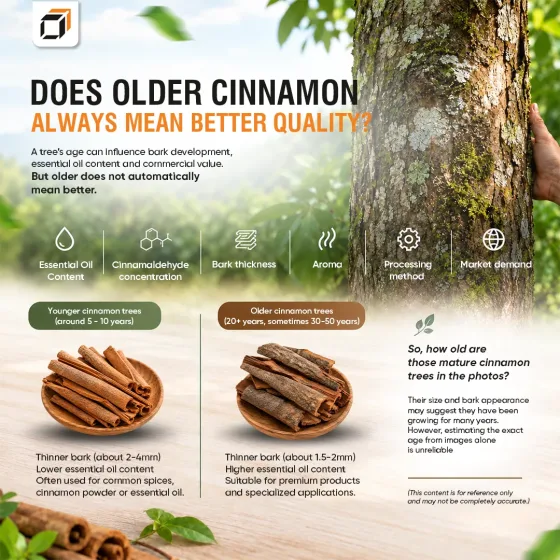
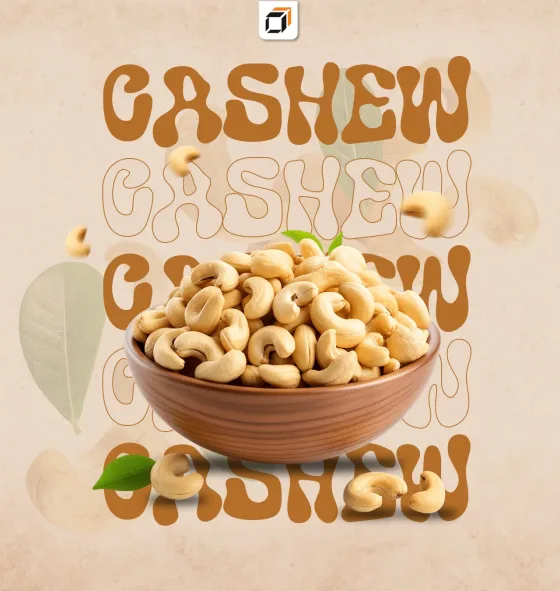
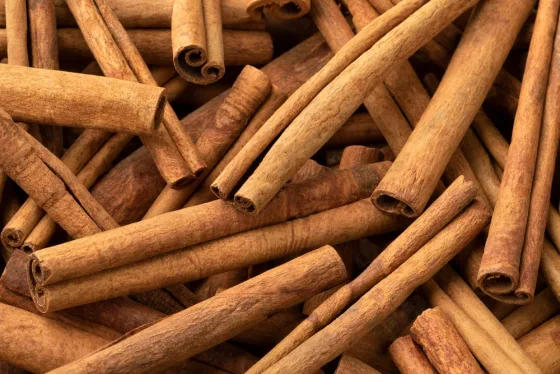
Vietnam’s agricultural sector plays a central role in the country’s food exports, supported by diverse climate zones and fertile land that enable year-round cultivation across multiple crop categories. The country has established a strong global presence in key product groups such as rice, coffee, spices like pepper and cinnamon, nuts including cashew, and a wide range of tropical fruits and vegetables.
Beyond natural advantages, the sector is undergoing a structural shift. While smallholder farming remains prevalent, production is increasingly organized through farming zones and cooperatives with more standardized practices. This includes the adoption of traceability systems, improved post-harvest handling, and growing semi-processing capabilities.
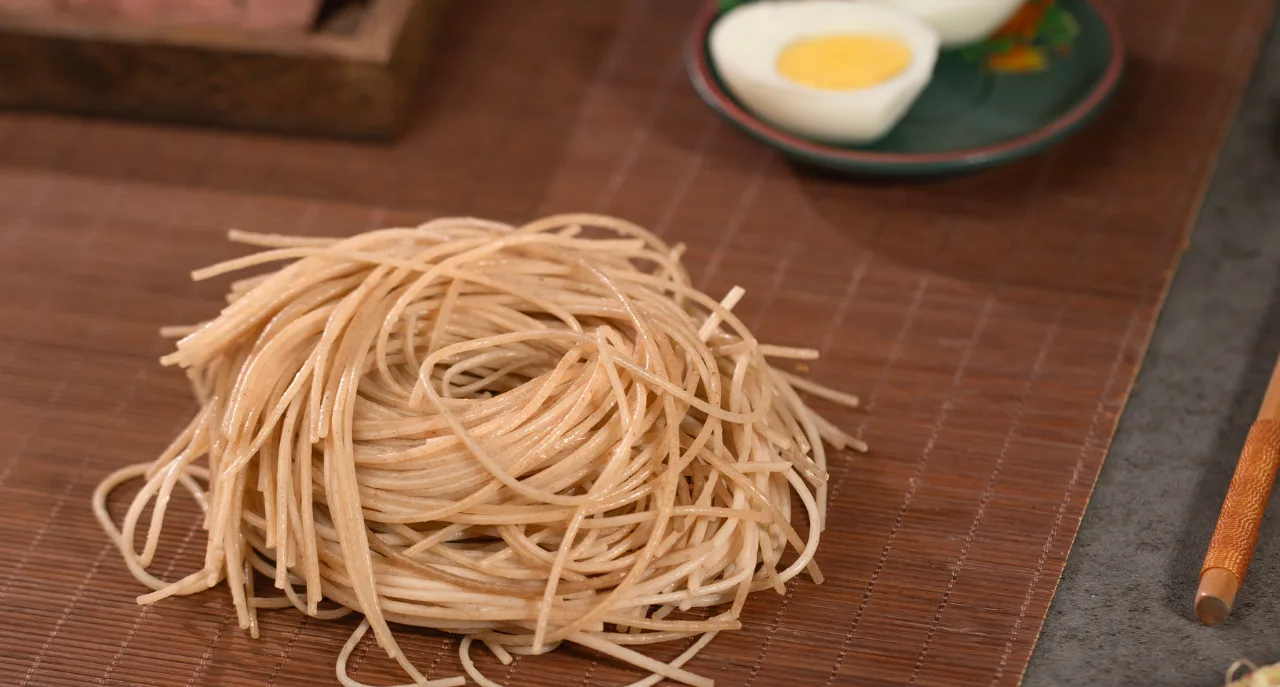
As a result, buyers can source agricultural products at different levels of readiness — from raw materials to cleaned, sorted, or partially processed inputs. This flexibility allows importers to align sourcing strategies with their own processing models, cost structures, and market positioning.
2. Animal-Based Products: Strengthening Compliance and Supply Chain Control
The animal-based segment, including meat, seafood, and dairy, is gradually transitioning toward more controlled and integrated supply chains. This shift reflects the increasing demand from international markets for higher standards in food safety, traceability, and regulatory compliance.
Vietnam is particularly competitive in its seafood export, with well-established processing capabilities for products such as shrimp, pangasius, and tuna. In parallel, other segments like poultry, pork, and dairy are improving in both scale and compliance, supported by investments in farming systems, feed management, and processing infrastructure.
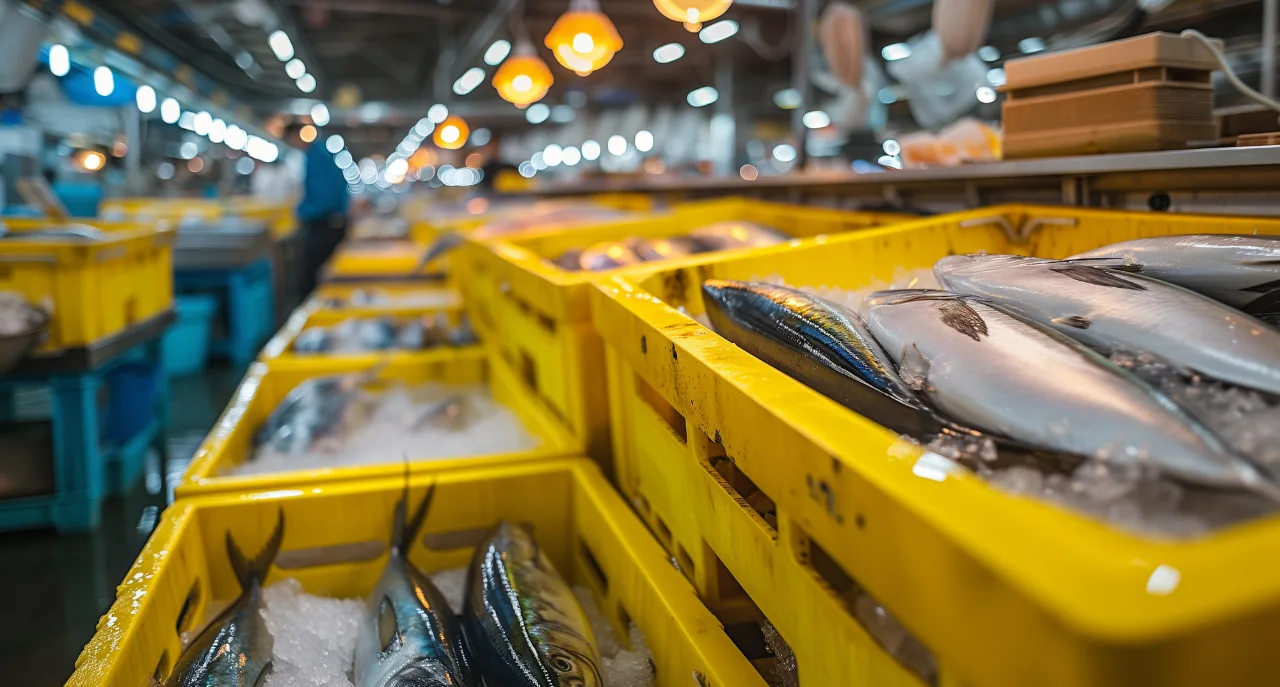
Export readiness in this category depends on several critical factors, including adherence to international standards such as HACCP and GlobalG.A.P., the development of cold chain logistics, and the ability to meet inspection and documentation requirements in regulated markets like the US, EU, and Japan.
For importers, working with suppliers that can consistently meet these requirements is essential to minimizing operational risks and ensuring long-term supply stability.
3. Processed Foods, Confectionery & Beverages: Expanding Consumer-Ready Capabilities
In addition to raw and semi-processed goods, Vietnam is rapidly expanding its capabilities in consumer-ready food products. This includes snacks, confectionery, instant foods, and beverages such as coffee and tea — segments that are increasingly aligned with global consumption trends.
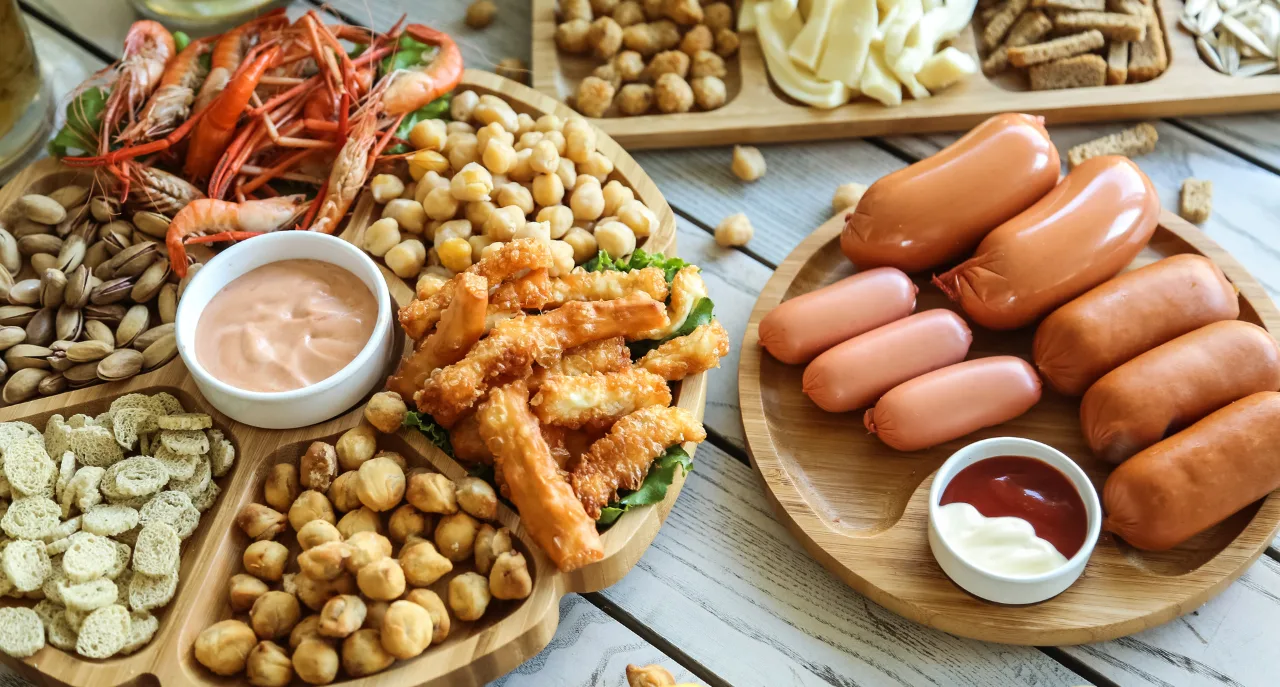
Vietnamese manufacturers are leveraging local ingredients to develop products that balance authenticity with international market preferences. This is supported by flexible OEM/ODM production models, adaptable packaging formats, and the ability to customize flavor profiles for different regions. As a result, Vietnamese food manufacturers are becoming attractive partners for private-label development, retail distribution, and e-commerce-driven brands. The ability to combine cost efficiency with product customization and scalable production makes this segment particularly relevant for businesses seeking to diversify their product portfolios.
4. Vietnam in the Global Food Supply Chain: From Cost Advantage to Strategic Reliability
As global sourcing strategies continue to diversify, Vietnam is increasingly positioned not just as an alternative, but as a complementary and strategic supply base. Three key transformations within the industry drive this shift.
First, supply chains are becoming more structured, with improved coordination between farmers, processors, and exporters. Second, the industry is moving beyond raw exports toward value-added production, including processing, packaging, and product differentiation. Third, while competitive pricing remains important, greater emphasis is now placed on consistency, compliance, and long-term reliability.
In practice, navigating Vietnam’s food supply landscape often requires more than supplier sourcing. It involves aligning production capabilities, export procedures, and market-specific requirements—areas where export facilitators and sourcing partners play an increasingly important role in bridging local production with international demand.
Companies such as FPT AdTrue Export, operating as export facilitators and trading partners, are part of this evolving ecosystem—supporting international buyers in accessing, coordinating, and scaling sourcing activities in Vietnam more effectively.
Conclusion
Vietnam’s food export industry today offers a multi-layered sourcing landscape, ranging from agricultural raw materials to fully processed consumer products. With ongoing improvements in quality control, supply chain transparency, and export compliance, the country is steadily strengthening its role in global food supply chains.
For international businesses, the opportunity lies not only in accessing diverse product categories but also in building resilient sourcing strategies with partners who understand both local production dynamics and international market requirements.