As global food trade becomes increasingly regulated, certifications are no longer optional—they are a fundamental requirement for market access. For Vietnam, strengthening certification systems is a critical step toward securing a more reliable position in global food supply chains.
Across sectors, from agriculture to seafood and processed foods, Vietnam’s food export is increasingly aligned with international standards to meet the expectations of importers in highly regulated markets such as the US, EU, and Japan. However, certification alone does not guarantee export success; the real challenge lies in translating compliance into consistent, scalable supply.
1. Certifications as a Baseline for Global Trade
In international sourcing, certifications function as a baseline for trust rather than a point of differentiation. They signal that products meet established requirements in food safety, traceability, sustainability, and production ethics—factors that are critical for accessing and maintaining presence in global markets.
For importers, working with certified suppliers helps reduce regulatory risks, streamline customs processes, and ensure more consistent product quality across shipments. At the same time, certifications enable businesses to meet increasingly strict requirements from retailers and end consumers, particularly in developed markets.
As a result, certifications should be understood not as a competitive advantage, but as a minimum entry condition for participating in the global food trade.
2. Vietnam’s Transition Toward Standardized and Controlled Supply
Vietnam’s food industry is moving away from fragmented production toward more organized and standardized supply chains. This transition is driven by both external market requirements and internal efforts to improve export competitiveness.
The adoption of international standards such as HACCP, ISO, and GlobalG.A.P. is becoming more widespread, supported by growing investment in certified farming zones and modern processing facilities. At the same time, traceability systems and quality management practices are being implemented more consistently across supply chains.
While sectors like seafood and processed foods have reached a relatively mature level of certification and compliance, agriculture and livestock are still in transition. However, the pace of improvement is accelerating, creating a more reliable and structured sourcing environment for international buyers.

3. Certification Landscape Across Key Food Sectors
Certification requirements vary significantly across product categories, reflecting different levels of risk, processing, and regulatory scrutiny in global markets.
In agricultural products, certification efforts are primarily focused on Good Agricultural Practices, pesticide control, and farm-level traceability. These factors are essential for meeting import regulations in high-standard markets and ensuring product safety at the source.
For animal-based products, including meat and seafood, compliance requirements are more stringent. Export readiness requires robust food safety systems (such as HACCP), strict compliance with veterinary and sanitary standards, and well-developed cold chain infrastructure. Within this segment, Vietnam’s seafood export remains a strong advantage due to established processing capabilities and extensive experience in international markets.
In the processed foods and beverages segment, certifications go beyond food safety to cover packaging compliance, factory audits (e.g., BRC, ISO), and product consistency. These requirements are particularly important for private label programs and retail distribution, where standards are more complex and strictly enforced.
4. Key Challenges in Certification Implementation
Despite significant progress, certification adoption in Vietnam still faces several structural challenges that impact overall export performance.
A key issue is the fragmented nature of supply chains, particularly at the farm level, where compliance varies between producers. In addition, there is often a gap between certification status and actual operational consistency, especially when scaling production for large export orders.
Complex export documentation and differences in regulatory requirements across markets also add another layer of difficulty. As a result, international buyers may encounter situations where suppliers are technically certified but not fully prepared to execute stable, large-scale export operations.
5. From Certification to Export Execution: Bridging the Gap
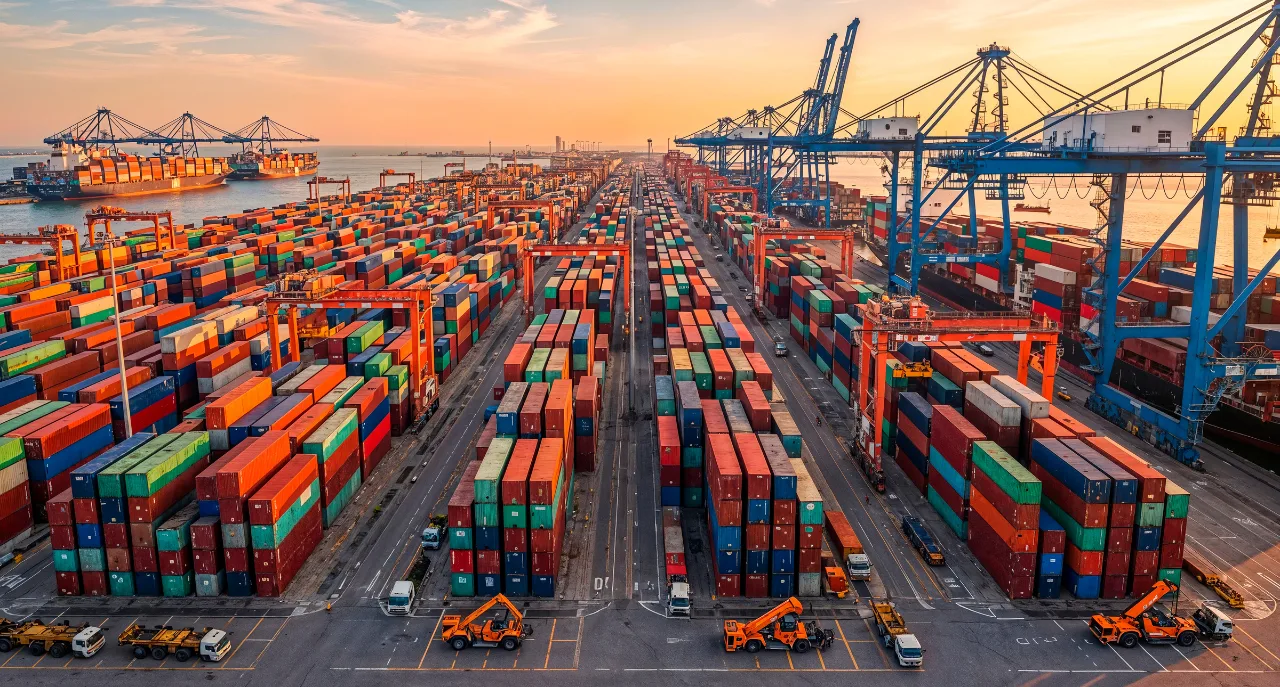
In practice, certifications represent only one component of export readiness. Delivering consistent international shipments requires coordinating multiple factors, including production capacity, quality consistency, documentation accuracy, logistics, and market-specific compliance.
This gap between “certified capability” and “operational readiness” is where many sourcing challenges arise. For international buyers, the real challenge lies in ensuring that certified capabilities translate into consistent, repeatable export performance.
This is also where the role of export facilitators becomes increasingly important. Companies such as FPT AdTrue Export, operating as both sourcing partners and trading intermediaries, help bridge this gap by coordinating across the supply chain, from supplier selection and quality control to documentation and shipment execution. The result is a more aligned, efficient, and scalable sourcing process.
Conclusion
Vietnam’s food industry is making substantial progress in aligning with global certification standards, strengthening its position in international markets. These improvements are essential not only for market access but also for building long-term credibility and trust in global trade.
For international businesses, Vietnam offers a supply base that is increasingly compliant, transparent, and scalable. However, achieving consistent export outcomes requires more than certification alone; it requires coordination, execution, and a clear understanding of both local production realities and international market expectations.