Vietnamese Animal-Based Products: Toward a Controlled and Export-Ready Supply Chain
Vietnam’s animal-based products sector is steadily expanding in global markets, as production shifts from fragmented models to more centralized and controlled supply chains aligned with international standards.
For international importers, particularly those in highly regulated markets such as the U.S. and Europe, this opportunity becomes viable only when supported by robust and systematic risk management.
Unlike many other commodity categories, animal-based products are subject to strict oversight in terms of food safety, quarantine protocols, and regulatory compliance. Even minor inconsistencies in quality or documentation can result in shipment delays or rejections, leading to financial losses and reputational risks.
As a result, sourcing in this sector is no longer just about access to supply; it is about the ability to manage and control the entire value chain, from raw material sourcing to final export.
Supply, Risk, and the Challenge of Supply Chain Governance
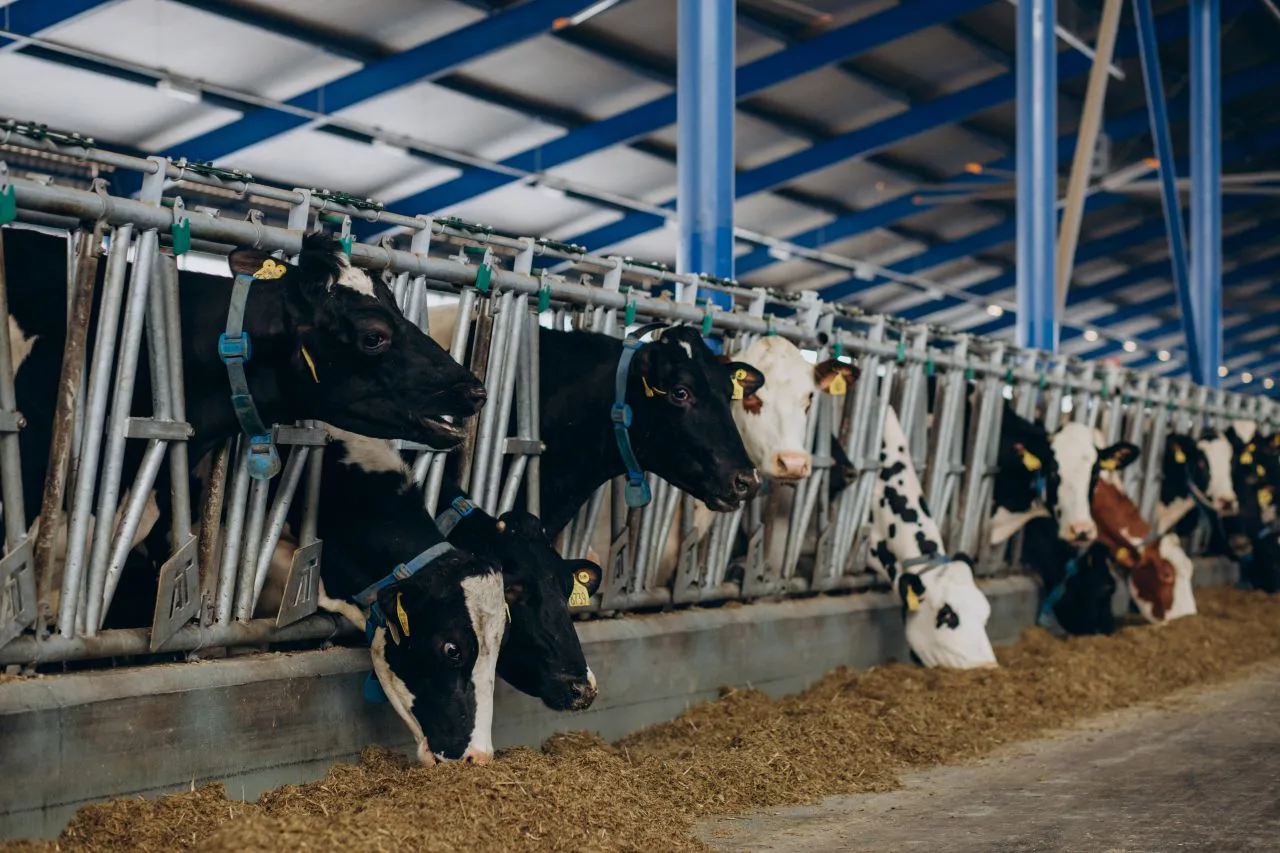
Unlike many other commodity categories, animal-based products are subject to strict controls on food safety, animal health, and import regulations. Requirements such as quarantine procedures, residue limits, and traceability documentation are tightly enforced in markets like the U.S. and Europe.
Even minor inconsistencies, whether in product specifications, labeling, or documentation, can lead to shipment delays, border holds, or rejection. These risks translate directly into financial losses and potential disruption to supply continuity.
As a result, sourcing in this sector is not simply about securing supply. It requires the ability to manage compliance and maintain consistency across every stage of the value chain, from raw material sourcing to final export.
Long-Term Opportunities and the Role of Strategic Orchestrators
As global demand for protein continues to grow, competitive advantage will favor supply chains that can ensure stability, transparency, and reliability. Vietnam holds strong potential to deepen its integration into global markets, but this depends on its ability to transform production into a system that consistently meets international benchmarks.
To manage risk effectively, many importers are turning to local supply chain orchestrators. These partners play a crucial role in evaluating, standardizing, and monitoring the supply network, ensuring consistency and reliability across every shipment.
By focusing on a controlled supply chain model, FPT AdTrue Export positions itself as a bridge between Vietnamese production and international market requirements. Moving beyond transactional sourcing, this approach enables importers to build a system that is stable, scalable, and resilient over the long term.
In today’s increasingly demanding market environment, competitive advantage is no longer defined solely by cost or volume. It lies in the ability to design and operate a dependable supply chain. For global importers, the objective has shifted from simply sourcing products to building a sourcing strategy that ensures consistency, compliance, and long-term supply stability.